

If you make or move liquid products in bulk, the way you fill your containers shapes almost everything that happens next: shelf life, product quality, food safety, and the kind of packaging you can actually use. Most of what is written about...
Hot-Fill vs. Cold-Fill for Bulk Liquids: Choosing the Right IBC Liner
July 20, 2026
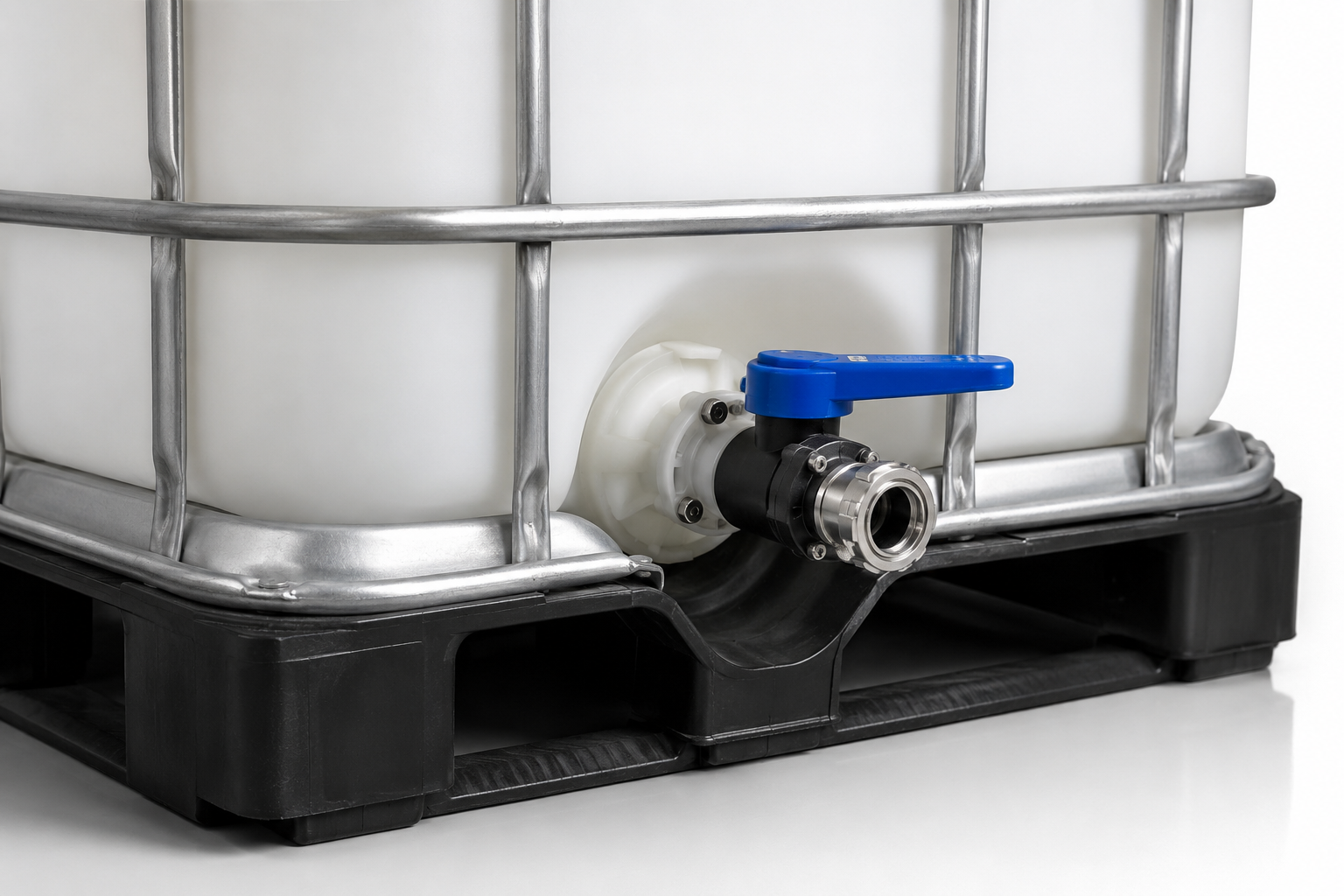
IBC Drain Valve Guide: How to Choose the Right Type for Your Bulk Container
July 10, 2026
When it comes to bulk liquid handling, the smallest components often have the biggest impact on operational efficiency. The IBC drain valve is one such component — a seemingly minor part of the system that directly influences discharge speed,...
Temperature-Controlled Cheese Ripening Boxes: Best Practices for Artisan Producers
July 1, 2026
For artisan cheese producers, ripening is where the craft happens. It is the stage where carefully controlled temperature, humidity, and airflow transform a fresh curd into a complex, shelf-stable product with a defined flavor profile. The...

Returnable Container Management: How to Reduce Loss and Improve IBC Fleet ROI
June 20, 2026
For manufacturers and distributors relying on intermediate bulk containers to move product through their supply chains, the containers themselves represent a significant capital investment. Yet many organizations have limited visibility into where...
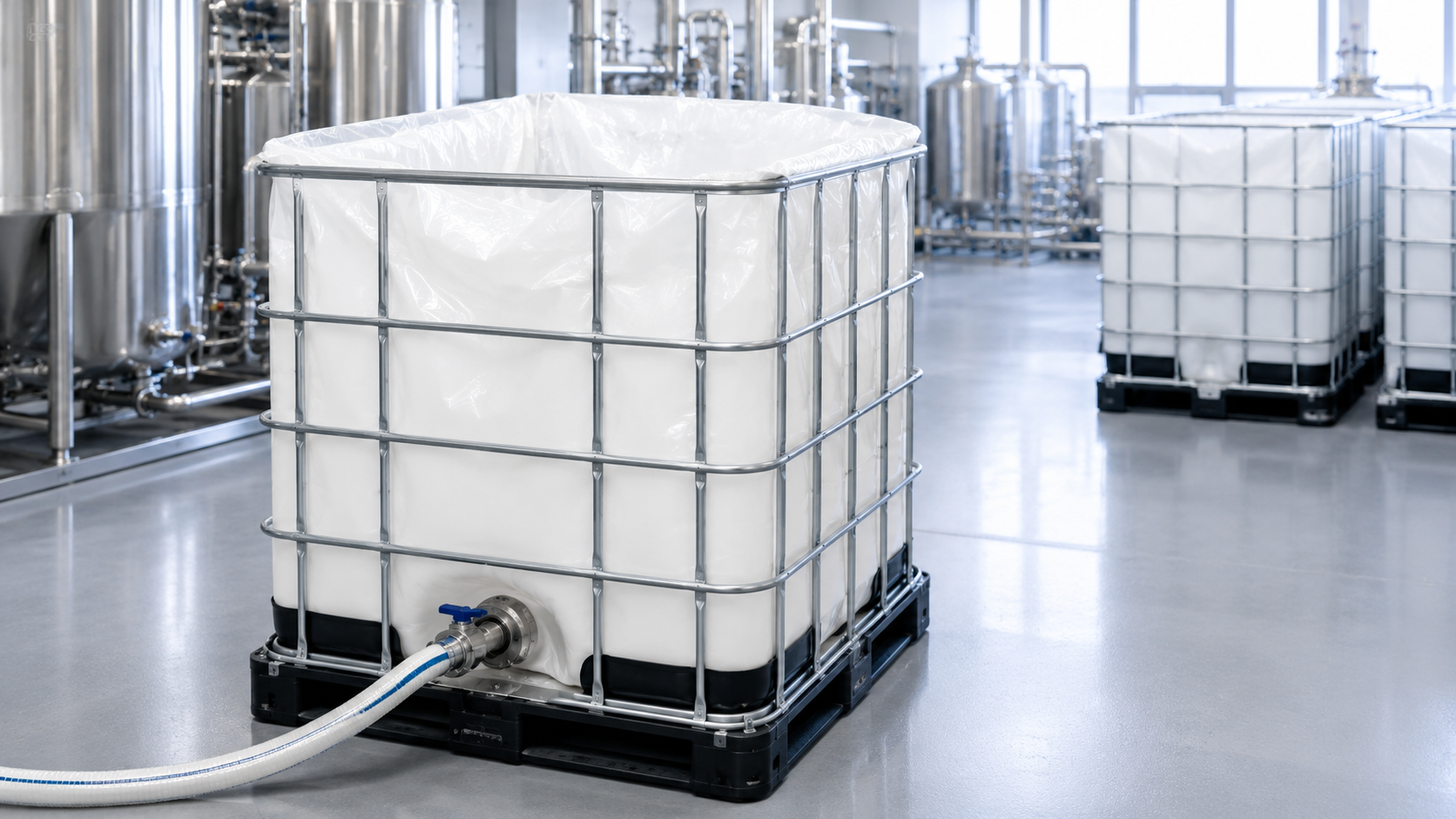
How to Choose the Right Bulk Container Liners for Food and Beverage Applications
June 10, 2026
For food and beverage manufacturers shipping bulk liquids, the liner inside an intermediate bulk container does far more than hold product. It is the primary barrier between your formulation and the outside world — responsible for maintaining...

How to Transport Dairy Products Safely: A Complete Guide to Cottage Cheese Distribution
June 1, 2026
Cottage cheese is one of the most perishable dairy products on the market. Unlike hard cheeses that can tolerate minor fluctuations in handling conditions, fresh dairy requires precise temperature management, food-safe containers, and efficient...
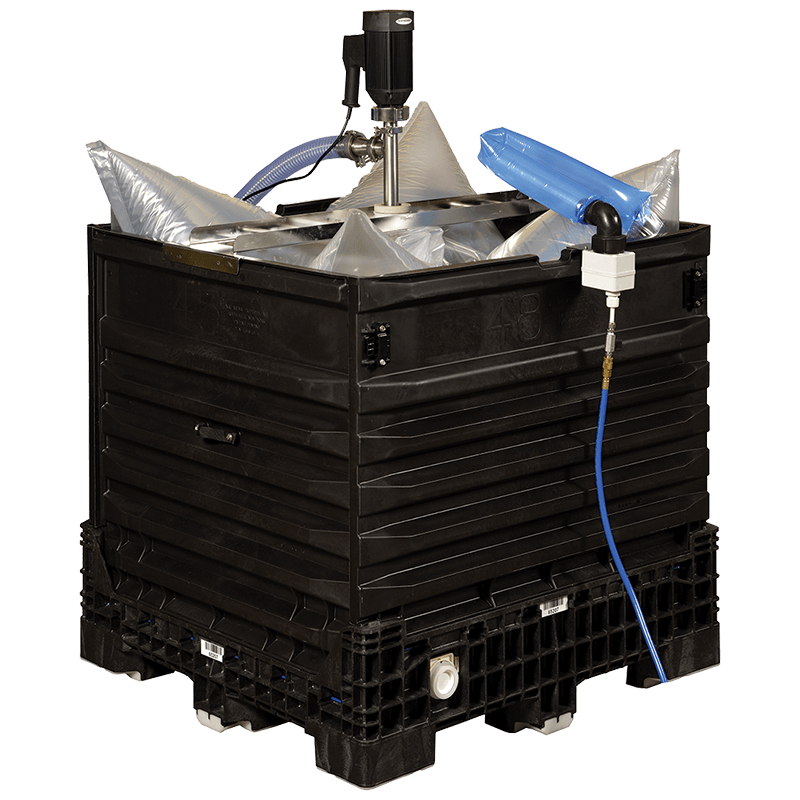
Aseptic vs Non-Aseptic Valves: How to Choose the Right Valve for Your Bulk Liquids
May 18, 2026
The difference between aseptic and non-aseptic valves comes down to a single job: holding a sterile barrier. An aseptic valve keeps a commercially sterile product sterile all the way through filling, storage, and discharge, which is what lets that...
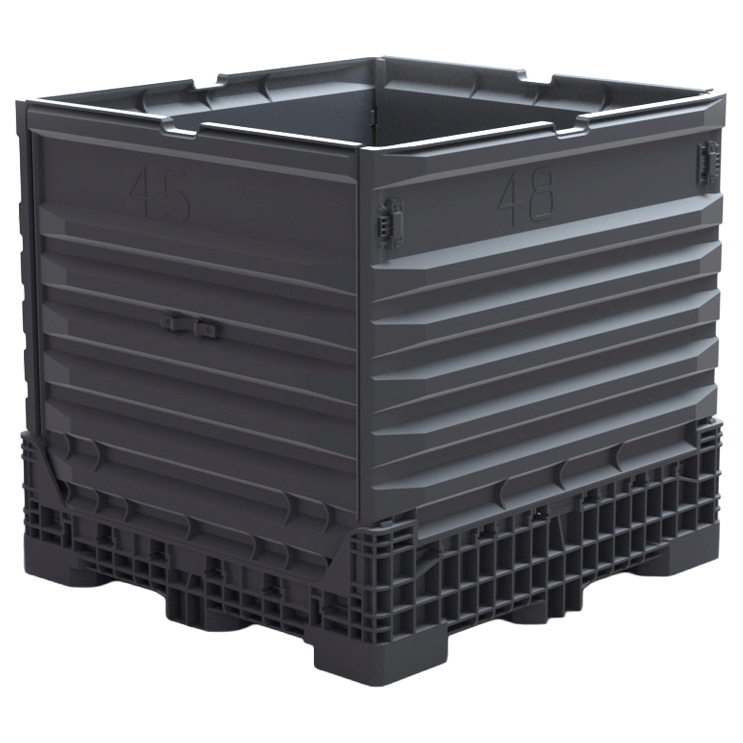
Bulk Liquid Egg Transport Logistics: Keeping Liquid Egg Safe from Plant to Production Line
May 5, 2026
Moving bulk liquid egg from the breaking plant to a food manufacturer’s production line is one of the more unforgiving jobs in cold chain logistics. Pasteurized liquid egg carries a short refrigerated shelf life, a low temperature ceiling, and a...
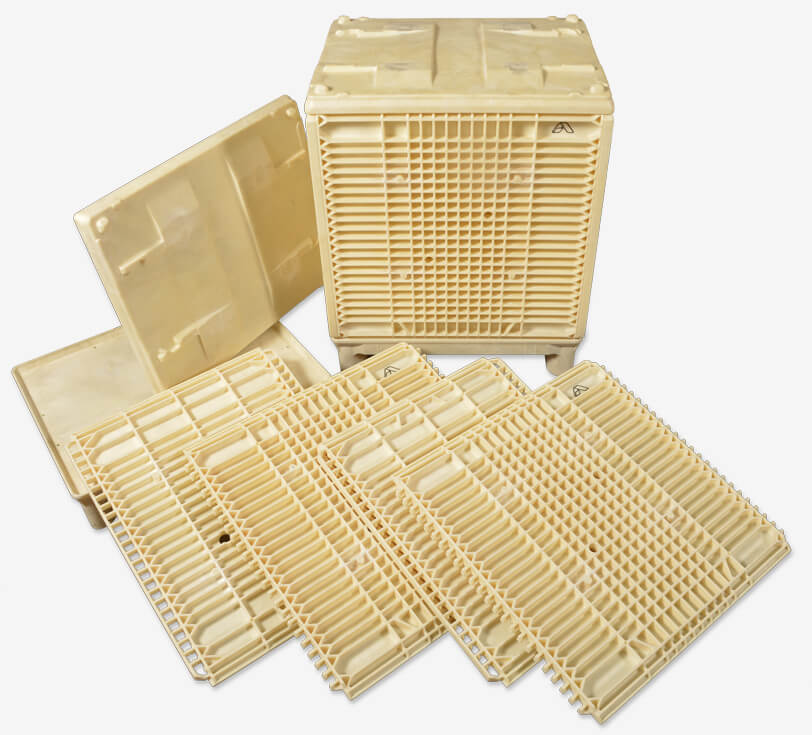
Cheese Packaging Solutions: Best Practices for Temperature-Controlled Shipping
April 6, 2026
The dairy industry operates on tight margins, strict regulatory requirements, and an unforgiving cold chain. For manufacturers and distributors moving fresh dairy products at scale, the integrity of every shipment depends as much on the container as...
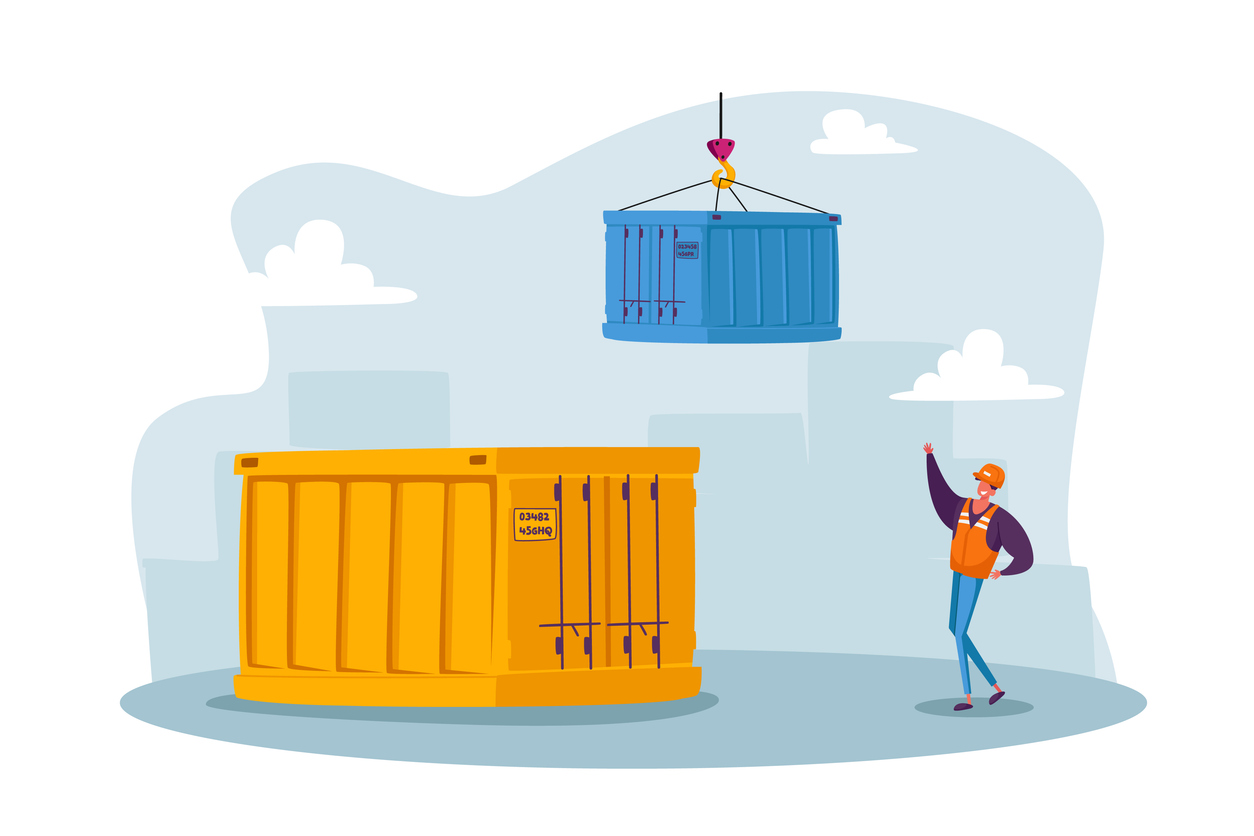
Open Top IBC Totes: Sizes, Materials, and Applications
March 2, 2026
Industrial operations require flexible storage and transportation solutions that accommodate diverse materials and operational workflows. Intermediate bulk containers (IBCs) have become essential equipment across manufacturing, chemical processing,...
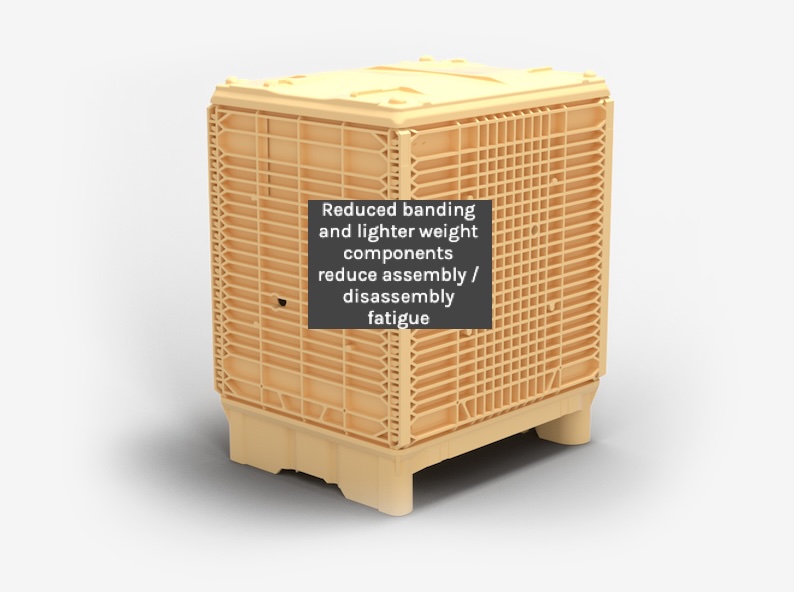
How Is Cheese Shipped? Packaging and Cold Chain for Safe Dairy Transport
February 2, 2026
The dairy industry faces unique challenges when transporting perishable products across supply chains. Temperature-sensitive cheese requires specialized packaging and handling protocols to maintain quality from producer to distributor. Understanding...
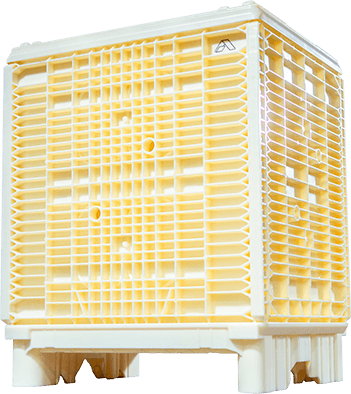
How to Pack Cheese for Shipping: Temperature Control, Packaging Materials, and Delivery Best Practices
January 5, 2026
Cheese represents one of the most challenging food products to ship successfully. Its sensitivity to temperature fluctuations, susceptibility to moisture damage, and varying textures across different varieties demand specialized handling throughout...

Understanding Trip Lease Agreements: A Complete Guide for IBC Container Rentals
December 1, 2025
When companies need specialized containers for transporting liquids or bulk materials, the logistics can quickly become complex. Between purchasing costs, maintenance requirements, and storage challenges, many businesses find themselves searching...
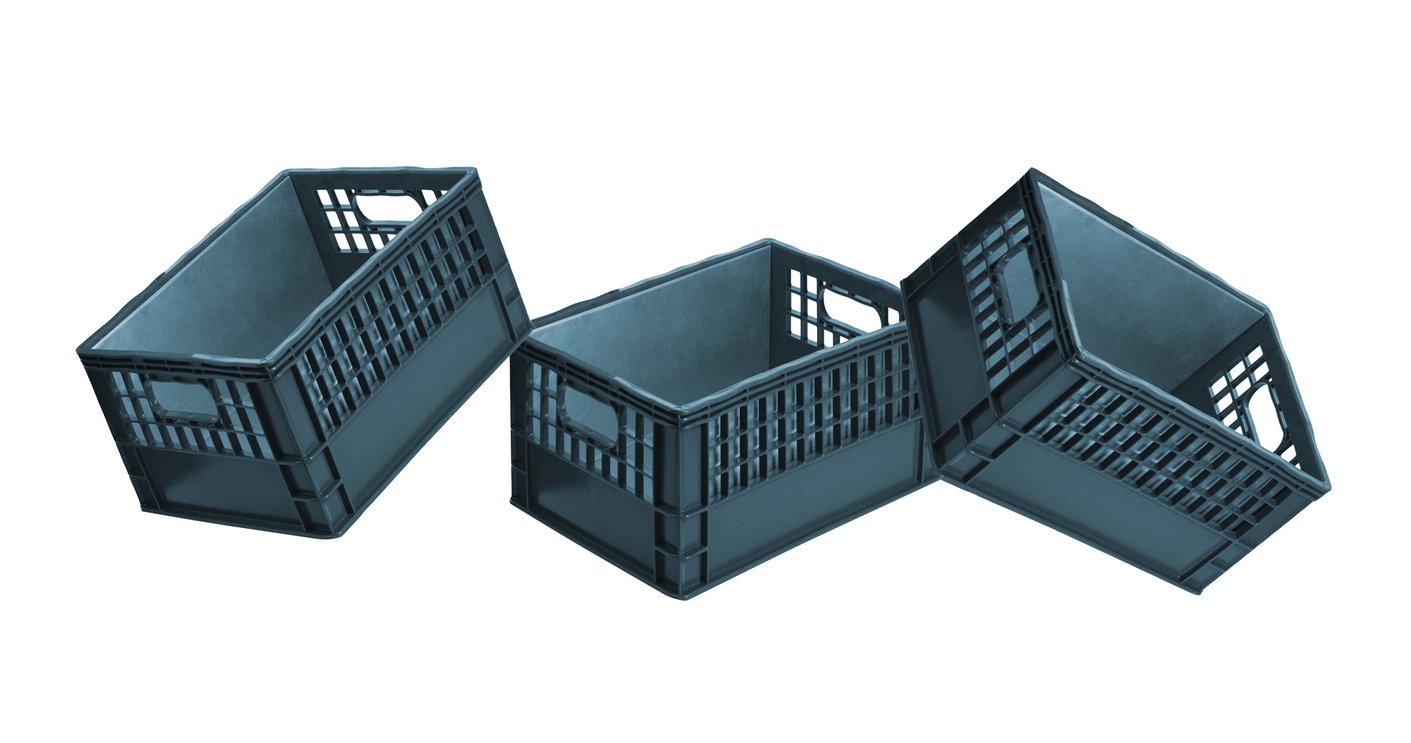
RPC Crates vs. Single-Use: The Economics of Reusable Produce Packaging
November 4, 2025
The produce industry faces mounting pressure to reduce waste while maintaining profitability. As retailers and distributors evaluate their packaging strategies, the debate between reusable plastic containers and single-use packaging has become...
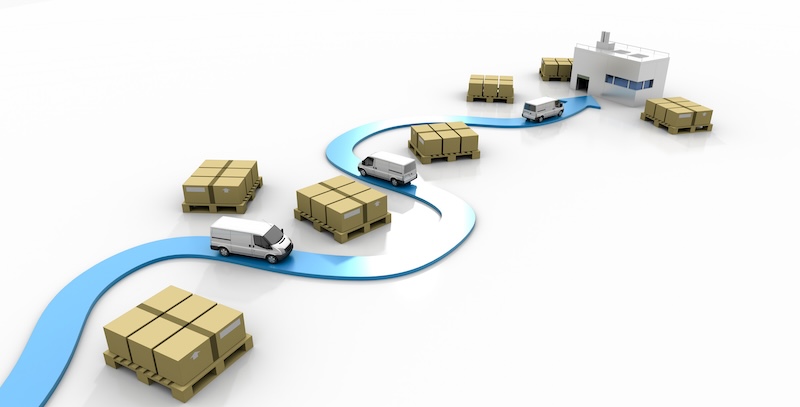
How IBC Pooling Logistics Can Cut Your Industrial Container Costs by 40%
October 6, 2025
Industrial operations face mounting pressure to optimize supply chain costs while maintaining operational efficiency. One of the most significant opportunities for cost reduction lies in rethinking your approach to intermediate bulk containers...
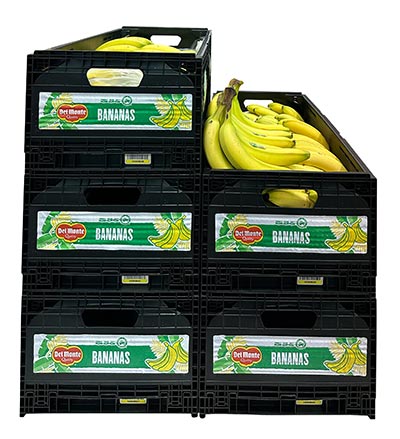
Sustainable Packaging Revolution: How Reusable Solutions Can Cut Costs and Reduce Environmental Impact
September 1, 2025
The global packaging industry is undergoing a fundamental transformation as manufacturers recognize that reusable packaging solutions offer both significant cost savings and substantial environmental benefits, creating competitive advantages in...
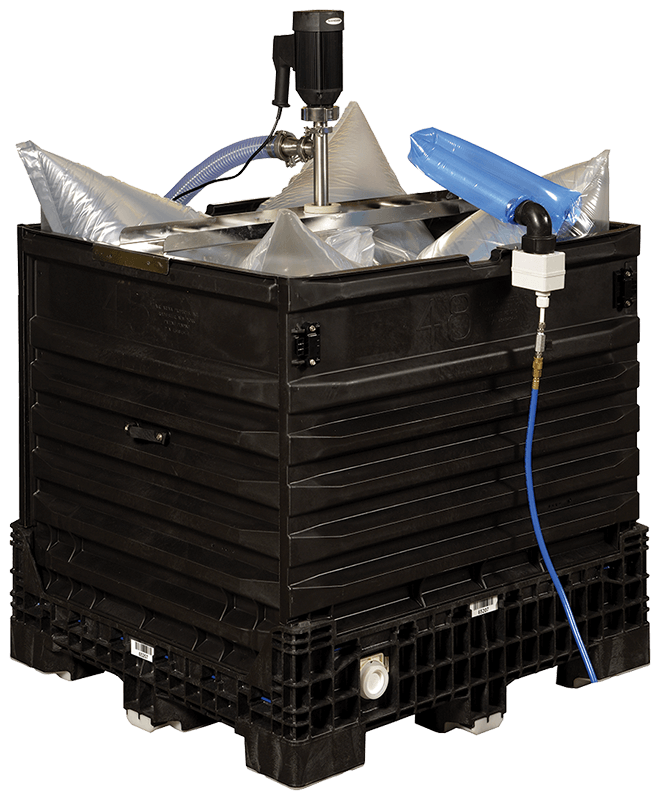
Liquid Tote Liners: Maximizing Food and Beverage Hygiene
August 4, 2025
Food and beverage manufacturers face unprecedented scrutiny regarding product safety and hygiene standards, making the selection of appropriate packaging solutions a critical business decision. Liquid tote liners have emerged as an essential...
IBC Trip Lease vs. Traditional Purchasing: Why Companies Choose Turn-Key Solutions
July 30, 2025
Industrial operations requiring intermediate bulk containers (IBCs) face a critical decision that significantly impacts their operational efficiency and financial performance. The choice between trip lease programs and traditional container...
CONTACT US
Got a question? We'd love to hear from you. Send us a message and we'll respond as soon as possible.
"*" indicates required fields