
Returnable Container Management: How to Reduce Loss and Improve IBC Fleet ROI
Key Takeaways
- Unmanaged IBC fleets lose containers at rates that create significant recurring replacement costs over time.
- Effective returnable container management requires asset tracking, standardized return protocols, and regular condition reporting.
- Container pooling programs eliminate fleet ownership costs and provide access to professionally managed assets with predictable pricing.
- Metrics like return cycle time, loss rate, and cost per trip are essential KPIs for evaluating IBC program performance.
- Arena Products’ Concierge Program offers a fully managed pooling solution with real-time reporting and guaranteed turnaround times.
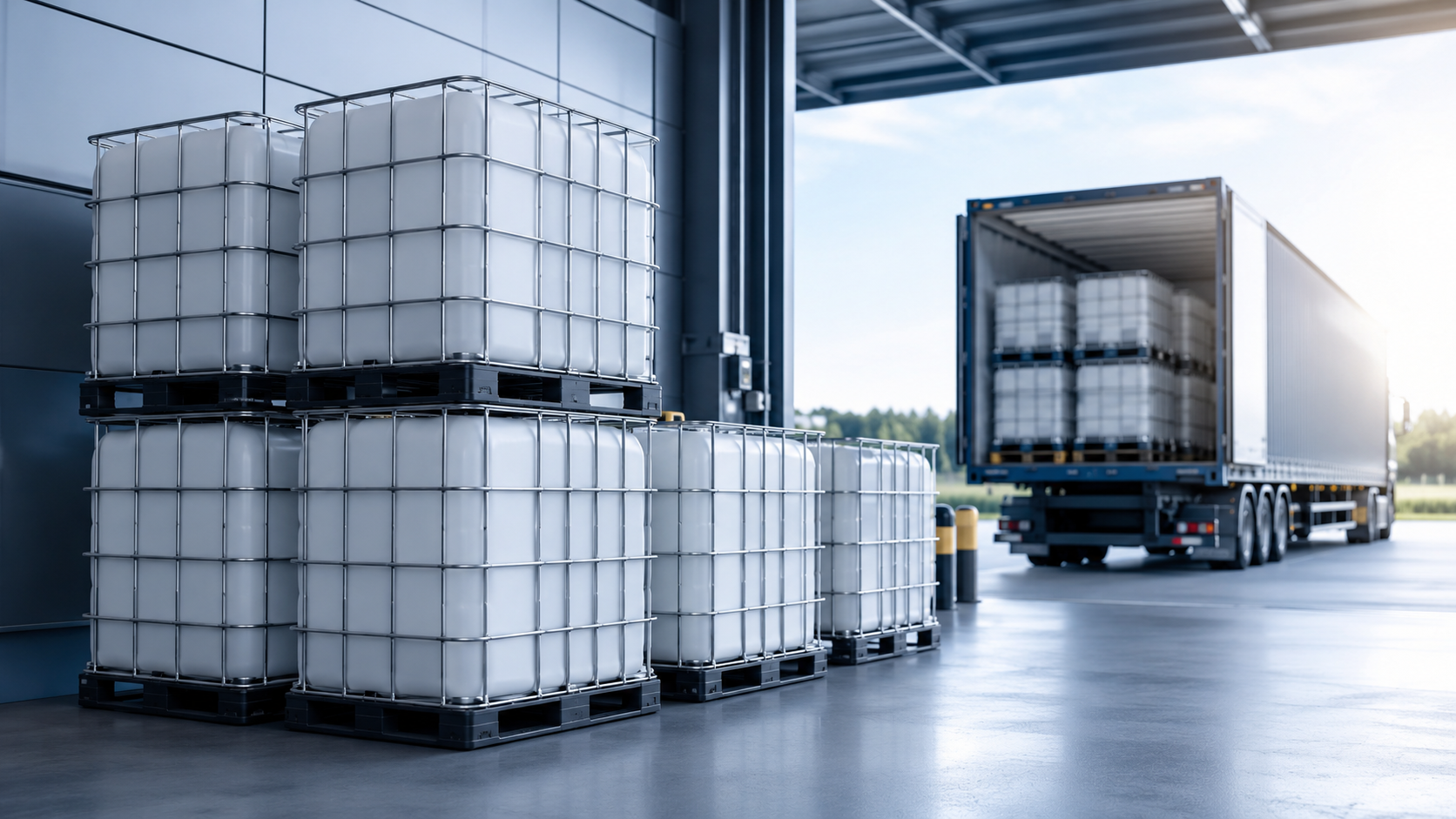
For manufacturers and distributors relying on intermediate bulk containers to move product through their supply chains, the containers themselves represent a significant capital investment. Yet many organizations have limited visibility into where their IBCs are at any given time, how often they are being used, and whether they are being returned, damaged, or lost in the field.
Effective returnable container management is the discipline of tracking, maintaining, and optimizing that asset base — and it has a direct impact on both cost efficiency and operational reliability.
Why Container Visibility Is a Business Problem
Without structured tracking, IBC fleets tend to shrink over time. Containers get detained at customer facilities, misrouted, damaged and discarded without documentation, or simply lost in a complex logistics network. Each missing container represents a replacement cost, a gap in available capacity, and a potential disruption to shipping schedules.
For high-volume operations, even a modest loss rate compounds quickly. A fleet of 500 containers with a 10% annual loss rate means replacing 50 units per year — a recurring cost that a well-structured management program can significantly reduce.
Core Components of an Effective Management Program
A structured approach to returnable container management typically includes the following elements:
- Asset tracking — barcodes, RFID tags, or web-based portals that log container location and movement through each stage of the fill, ship, and return cycle
- Standardized return processes — clear protocols for customers and logistics partners specifying how and when containers should be returned
- Condition reporting — inspection checkpoints at cleaning and maintenance stages to identify damaged assets before they re-enter the fleet
- Loss and attrition analysis — regular reconciliation of container inventories against shipping records to identify where and why assets go missing
- Maintenance scheduling — proactive servicing cycles that extend container lifespan and reduce unplanned downtime from equipment failure
Pooling Programs as a Management Alternative
For manufacturers who prefer not to own and manage their own IBC fleet, container pooling programs offer a compelling alternative. Under a pooling arrangement, a third-party provider owns and manages the container assets, handling cleaning, maintenance, tracking, and logistics on behalf of the user.
This model eliminates capital expenditure on container acquisition, reduces the administrative burden of fleet tracking, and provides access to a professionally managed asset base with predictable pricing. Arena Products’ Concierge Program is built around this model — providing customers with clean, well-maintained IBCs on a trip-lease basis with real-time web-based reporting and a guaranteed 3-day shipping turnaround.
Key Performance Metrics to Track
Whether managing an owned fleet or participating in a pooling program, organizations should monitor the following metrics to evaluate program performance:
- Fleet utilization rate — percentage of containers actively in use versus sitting idle in inventory
- Return cycle time — average number of days between shipment and container return
- Container loss rate — percentage of assets unaccounted for over a defined period
- Maintenance cost per container — total spend on repairs, cleaning, and reconditioning divided by fleet size
- Cost per trip — total program cost divided by the number of fill cycles completed
Tracking these figures over time creates the data foundation needed to make informed decisions about fleet sizing, pooling versus ownership, and capital reinvestment.
Contact us today to request a quote or speak with an expert!