
How Is Cheese Shipped: Essential Packaging Solutions for Safe Dairy Transport
The dairy industry faces unique challenges when transporting perishable products across supply chains. Temperature-sensitive cheese requires specialized packaging and handling protocols to maintain quality from producer to distributor. Understanding proper shipping methods and cheese packaging materials ensures product integrity while minimizing waste and maximizing shelf life.
Critical Temperature Control Requirements
Cheese transportation demands precise temperature management throughout the entire logistics chain. Most varieties require consistent refrigeration between 34°F and 38°F to prevent spoilage, texture degradation, and bacterial growth. Soft cheeses like brie and camembert are particularly vulnerable to temperature fluctuations, while aged hard cheeses offer slightly more tolerance.
Temperature monitoring technology has become essential for cheese distributors and manufacturers. Data loggers track conditions throughout transit, providing documentation for quality assurance and regulatory compliance. This real-time visibility helps identify potential issues before they compromise entire shipments.
Protective Packaging Materials for Dairy Products
Selecting appropriate cheese packaging materials directly impacts product protection and cost efficiency. Multiple layers of protection work together to maintain freshness and structural integrity during handling and transport.
Primary packaging options include:
- Vacuum-sealed barrier films that eliminate oxygen exposure
- Modified atmosphere packaging (MAP) that extends shelf life
- Wax coatings for traditional aged cheese varieties
- Breathable wraps for specific cheese types requiring air circulation
- Moisture-resistant liners preventing condensation damage
Secondary and tertiary packaging solutions:
- Corrugated boxes with moisture barriers
- Insulated shipping containers for temperature stability
- Pallet wrapping and corner protection
- Cushioning materials absorbing shock and vibration
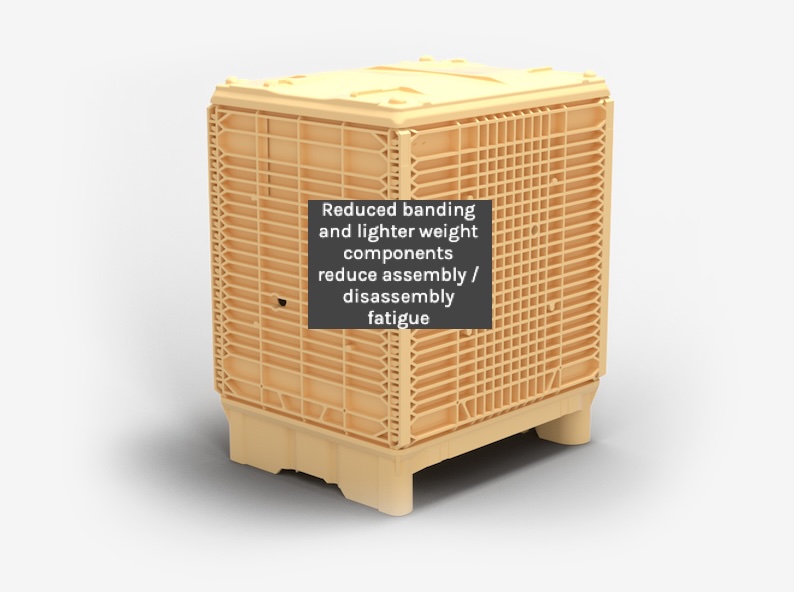
- Reusable plastic containers (RPCs) for closed-loop distribution
Arena Products offers comprehensive bulk packaging solutions designed specifically for food-grade applications. Our industrial containers and protective materials help cheese manufacturers maintain product quality while optimizing shipping efficiency.
Logistics Considerations for Cheese Distribution
How cheese is shipped depends heavily on distance, quantity, and final destination requirements. Short-haul regional distribution often utilizes refrigerated trucks with multiple delivery stops, while long-distance transportation may involve refrigerated rail cars or ocean containers with sophisticated climate control systems.
Consolidation strategies reduce costs by combining shipments from multiple producers. However, cross-contamination risks require careful planning when mixing different cheese varieties or other food products. Proper segregation and odor-barrier packaging prevent flavor transfer between incompatible products.
International cheese shipments introduce additional complexity with customs documentation, phytosanitary certificates, and compliance with importing country regulations. Understanding these requirements prevents costly delays at border crossings and ports of entry.
Common Shipping Challenges and Solutions
Cheese manufacturers face several recurring obstacles in their distribution networks. Addressing these proactively protects product quality and reduces financial losses.
Condensation represents one of the most significant threats during transport. Temperature differentials between refrigerated storage and ambient loading areas create moisture that promotes mold growth. Using moisture-absorbing desiccants and allowing proper temperature equilibration before sealing containers mitigates this risk.
Physical damage from improper handling affects both packaging integrity and cheese structure. Soft varieties are especially susceptible to crushing and deformation. Strategic pallet configuration, adequate cushioning, and clear handling instructions reduce damage rates.
Regulatory compliance varies significantly across jurisdictions. Food safety regulations, labeling requirements, and temperature documentation standards must be met for legal distribution. Working with experienced logistics partners familiar with dairy-specific regulations streamlines compliance.
Sustainability in Cheese Transportation
Environmental considerations increasingly influence packaging decisions throughout the dairy industry. Manufacturers seek materials that balance product protection with reduced environmental impact.
Recyclable and compostable packaging options continue expanding. However, these alternatives must still meet stringent food safety standards and provide adequate protection during multi-modal transportation. Life cycle analysis helps companies evaluate true environmental costs beyond simple recyclability metrics.
Reusable container systems reduce single-use packaging waste while potentially lowering long-term costs. These closed-loop systems require coordination between trading partners and infrastructure for container return and sanitation.
Optimizing Your Cheese Shipping Operations
Successful cheese transportation requires integrated planning across production, packaging, and logistics functions. Regular performance reviews identify improvement opportunities and cost reduction strategies.
Packaging standardization simplifies operations and improves loading efficiency. When possible, aligning container dimensions with pallet footprints and truck configurations maximizes space utilization and reduces per-unit transportation costs.
Building strong relationships with specialized refrigerated carriers ensures capacity availability during peak seasons. Carriers familiar with dairy product requirements understand the urgency of temperature-sensitive shipments and maintain equipment to higher standards.
Arena Products provides industrial packaging solutions that support efficient dairy distribution networks. Our expertise in food-grade bulk containers and protective materials helps cheese manufacturers optimize their supply chain operations while maintaining the highest quality standards.
Contact us today to request a quote or speak with an expert!
Key Takeaways
- Maintaining consistent temperatures between 34°F and 38°F is critical for preserving cheese quality during transportation.
- Multi-layer packaging systems combining barrier films, insulation, and protective containers prevent spoilage and physical damage.
- Moisture control through desiccants and proper temperature equilibration prevents condensation-related quality issues.
- Regulatory compliance and proper documentation are essential for both domestic and international cheese shipments.
- Sustainable packaging options must balance environmental goals with stringent food safety and protection requirements.
Frequently Asked Questions
What temperature should cheese be shipped at? Most cheese varieties should be shipped between 34°F and 38°F, though specific requirements vary by cheese type with soft cheeses requiring stricter temperature control.
What packaging prevents cheese from spoiling during shipping? Vacuum-sealed barrier films, modified atmosphere packaging, insulated containers, and moisture-resistant materials work together to prevent spoilage by controlling oxygen, temperature, and moisture exposure.
How long can cheese remain in transit safely? With proper refrigeration and packaging, most cheeses can safely remain in transit for 5-7 days, though shorter transit times are preferable for maintaining optimal quality.
What causes cheese to be damaged during shipping? Primary damage causes include temperature fluctuations, condensation buildup, physical crushing from improper handling, and cross-contamination from inadequate segregation of products.
Are sustainable packaging options available for cheese shipping? Yes, recyclable corrugated materials, reusable plastic containers, and compostable liners are increasingly available while still meeting food safety standards and protection requirements.